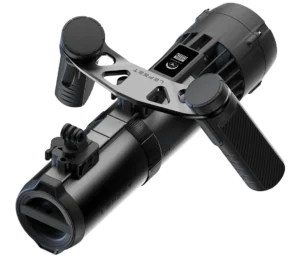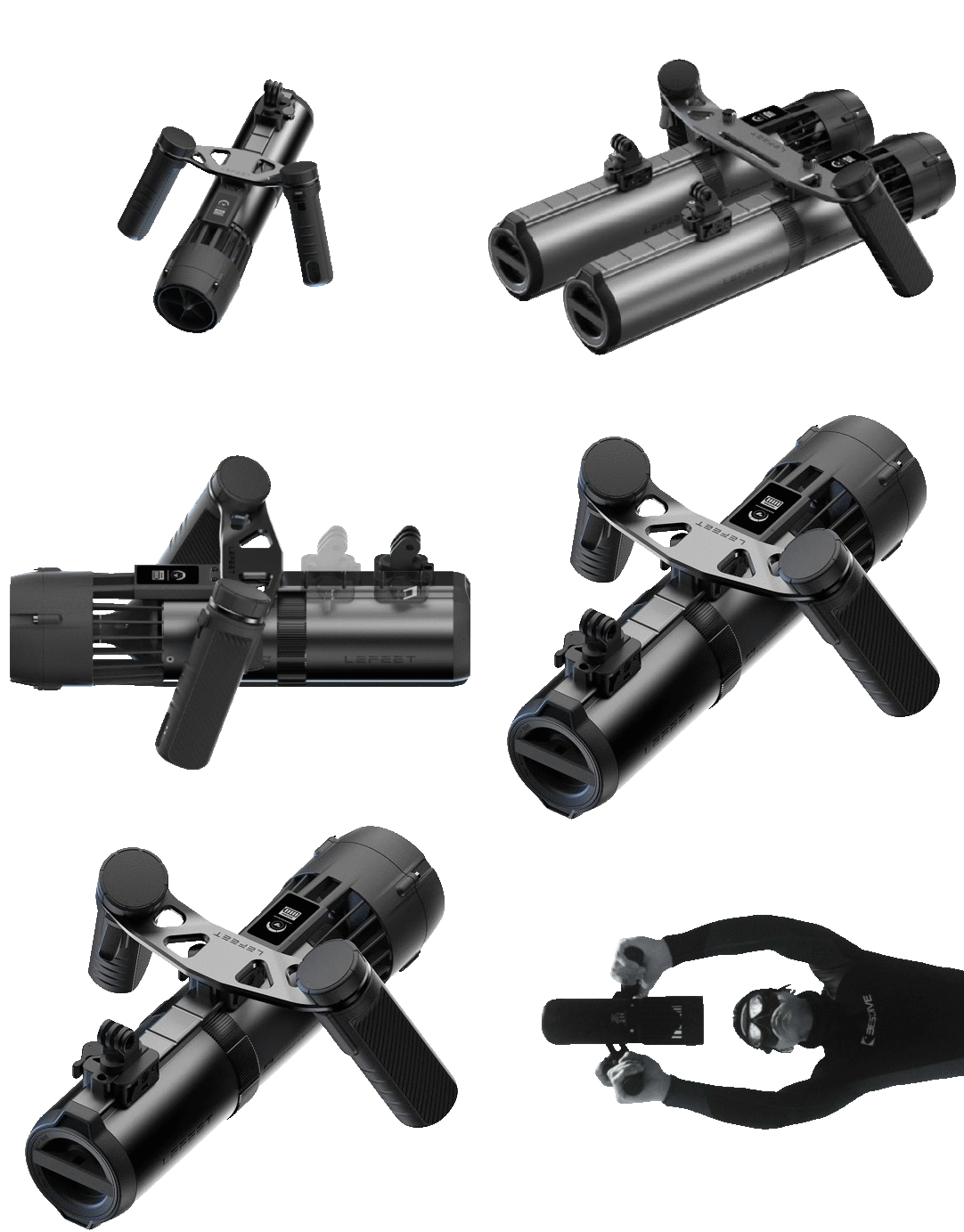
Underwater scooter maintenance for kids comes down to a short routine. After every swim, rinse the scooter in fresh water and dry it fully. Check the propeller area and seals before each use. Charge the battery with the original charger while an adult is watching, and store the scooter somewhere cool, dry, and out of children’s reach. Always follow the manual for your exact model, because steps differ between scooters.
A child’s scooter is used often, dropped now and then, and carried from the car to the beach to the pool. That makes a simple habit better than an occasional deep clean. Below are 10 steps, the reasons for each, and a note on which jobs kids can help with and which belong to an adult.
Who Does What: Kids and Adults
Maintenance is a good way to teach responsibility, but some jobs are not for children.
Kids can help with:
- Rinsing the scooter under a gentle stream of fresh water
- Wiping it dry with a towel
- Tying back hair and checking that straps are tidy before a swim
- Putting the scooter in its bag or case
Adults should always do:
- Charging, unplugging, and handling the battery
- Checking seals, O-rings, and the propeller area
- Opening any compartment
- Storing the scooter and battery out of reach
10 Steps to Maintain an Underwater Scooter for Kids
1. Switch it off before you touch it.
Before cleaning, carrying, or handing the scooter over, switch it off. This keeps the propeller from starting by accident. Our kids safety rules guide explains why hands, hair, and loose items must stay clear of the propeller.
2. Rinse it with fresh water after every use.
Salt, sand, and chlorine can build up on a scooter and its seals. Dive equipment makers such as UWK advise rinsing gear in fresh water after every use and drying it fully before storage. Run clean water over the whole body, the controls, and the propeller area. Do not use a high-pressure jet, which can force water where it should not go.
3. Dry it completely
Wipe the scooter with a soft towel and let it air dry in the shade before putting it away. Trapped water can cause smells, corrosion, and mold, especially in a closed bag.
4. Check the propeller area for damage and tangles.
Look for cracks, chips, bent parts, hair, weed, or fishing line wrapped around the propeller. Remove anything caught only when the scooter is switched off. If a part looks damaged, stop using the scooter until it has been checked.
5. Inspect seals and O-rings.
Seals keep water out of the motor and battery. If your model has user-serviceable O-rings, UWK suggests keeping them clean and lightly coated with silicone grease and checking for lint, hair, or sand before closing. A thicker layer does not seal better. Only open a compartment if the manual says you can and follow its steps. If you are unsure, do not open it. Ask the maker or contact our team.
6. Look over the body, controls, and straps.
Check the casing for cracks, the buttons or trigger for sticking, and any straps, handles, or leg mounts for wear. Our Lefeet scooter accessories include harnesses, mounts, and cases if a part needs replacing.
7. Charge the battery safely.
Use only the charger that came with the scooter or an original replacement from the maker. Fire safety guidance from Mass.gov says to plug the charger into a wall outlet rather than an extension cord, to charge on a hard, stable surface and never on a bed or sofa, and not to leave devices charging unattended. A UK council advises against charging overnight, so charge during the day, when someone is awake and can react. Unplug the charger when the battery is full.
8. Let the battery cool and dry before charging.
Do not charge a hot battery straight after use, and never charge one that is wet. Let it come down to room temperature and make sure the charging port is completely dry.
9. Store the scooter and battery properly.
- Keep the scooter in a cool, dry place away from direct sun and never in a hot car.
- Fire safety advice from Charnwood Borough Council recommends storing lithium batteries somewhere cool and dry, away from flammable materials and escape routes. It also advises keeping the charge between roughly 40% and 80% for longer storage, rather than full or empty, and checking the battery monthly. Check your manual, as some makers give their own storage guidance.
- Store it in a case or bag once it is fully dry. Our soft cases and bags are made for Lefeet scooters.
- Keep it where children cannot switch it on without an adult.
10. Know when to stop using the battery.
Stop using the scooter, and do not charge it if the battery swells, leaks, smells odd, overheats, changes color, or makes unusual noises. Move it away from anything flammable, and do not throw it in the bin. Take it to a proper battery recycling point and ask the maker about a replacement. We stock original Lefeet batteries for P1 scooters, and our shop lists other options.
Quick Maintenance Schedule
After every swim
- Switch off, rinse with fresh water, and dry fully.
- Look over the propeller area, body, and straps.
Before every swim
- Check the battery level and that the charging port is closed and dry.
- Tie back hair and remove loose items near the propeller.
- Run the scooter briefly out of the water only if the manual says it is safe to do so.
Monthly
- Check any stored battery and top it up if the manual recommends it.
- Inspect seals, straps, mounts, and the carrying case for wear.
Every season or after long storage
- Charge fully, test in shallow water with an adult, and check that all parts work before the family trip.
Maintenance Tips for UAE Conditions
Warm weather is great for the water, but it is hard on equipment.
- Heat. A scooter or battery left in a parked car can get far hotter than is safe. Keep them shaded and cool between swims.
- Salt. Sea water dries to a salt crust quickly in the sun, so rinse as soon as you can rather than at the end of the day.
- Sand. Beach sand around the propeller and controls can cause wear. Rinse thoroughly and let it dry before packing.
- Humidity. A damp scooter in a closed bag stays damp. Let it dry fully first.
Common Mistakes to Avoid
- Leaving the scooter in a hot car or in direct sun
- Skipping the fresh-water rinse after a salt-water or pool swim
- Charging overnight or leaving the battery on a bed or sofa
- Using a cheap or unbranded charger
- Opening the scooter without following the manual
- Letting a child switch the scooter on or charge it without an adult
- Ignoring a swollen, leaking, or hot battery
Frequently Asked Questions
How often should I clean a kids’ underwater scooter?
Rinse it with fresh water after every use, especially after sea water or chlorinated water, and dry it fully before storing it.
Can I rinse an underwater scooter with a hose?
A gentle stream of fresh water is fine. Avoid high-pressure jets, and check your manual for model-specific advice.
How do I store an underwater scooter battery?
Keep it somewhere cool and dry, away from heat, direct sun, and anything flammable. Some safety guidance suggests a charge level of roughly 40% to 80% for longer storage, but follow your scooter maker’s instructions.
Is it safe to charge the battery overnight?
We do not recommend it. Charge during the day with an adult nearby, use the original charger, and unplug it when the battery is full.
Should I grease the O-rings?
Only if your manual says the O-rings are user-serviceable. In that case a thin coat of silicone grease is usually advised. If you are unsure, do not open the scooter, and ask the maker or a service center.
How do I know when a scooter needs repair?
Stop using it if you see cracks, a damaged propeller, water inside, a sticking switch, or a swollen, hot, or leaking battery. Do not use it until it has been checked.
Where can I buy spare parts in the UAE?
Browse our underwater scooter accessories or Lefeet range, or contact Frogmen Technologies for advice on parts that fit your model.
Final Thoughts
So, how do you maintain an underwater scooter for kids? Rinse and dry it after every swim, check the propeller area and seals, charge the battery safely with an adult present, and store everything cool, dry, and out of reach. Let kids help with the easy jobs, and keep batteries and anything that needs opening for adults.
A few minutes of care keeps the scooter safe, extends its life, and makes every family trip smoother. Browse our underwater scooters, or contact our team if you need help with parts, batteries, or advice.