
Professional ROV Tank Inspection Services
Ensure the safety and integrity of your storage tanks with advanced ROV tank inspection services. Our remotely operated vehicles provide comprehensive internal and external surveys without the need for draining or system shutdown. Fast, reliable, and cost-effective, we deliver tank inspection solutions that maintain operational continuity while ensuring regulatory compliance.
Introduction to ROV Tank Inspections
ROV tank inspection uses remotely operated vehicles to assess internal and external tank conditions without draining, confined space entry, or system shutdown. These inspections are vital for water utilities, oil and gas facilities, chemical plants, and industrial operations where tank integrity and continuous service are critical.
By using subsea ROVs equipped with HD cameras, sensors, and specialized inspection tools, we deliver high-quality insights into tank condition while eliminating costly downtime. Our ROV internal tank survey services are non-intrusive, safe, and highly efficient, ensuring your storage systems stay compliant, cost-effective, and operational.
ROV Tank Inspection Experts
At Frogmen Technologies, we are one of the leading providers of ROV tank inspection services in the UAE. With years of hands-on experience, our certified ROV pilots and tank inspection specialists deliver accurate, reliable, and safe assessments of water storage tanks, oil storage tanks, and industrial vessels.
Our team combines technical expertise with cutting-edge ROV technology, ensuring every tank inspection is performed to the highest standards. Whether it’s a potable water reservoir, crude oil storage tank, chemical process vessel, or wastewater tank, we bring precision and efficiency to every project.
Technology & Equipment for Tank Inspections
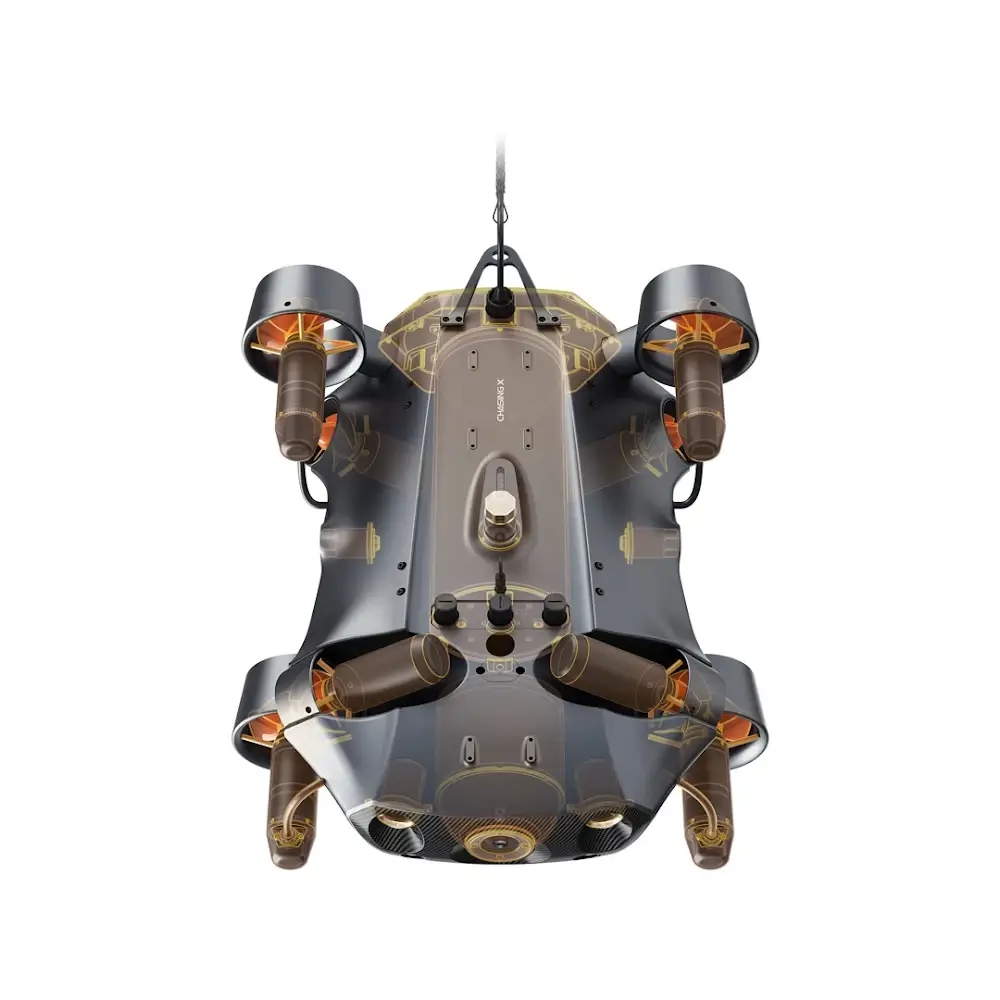
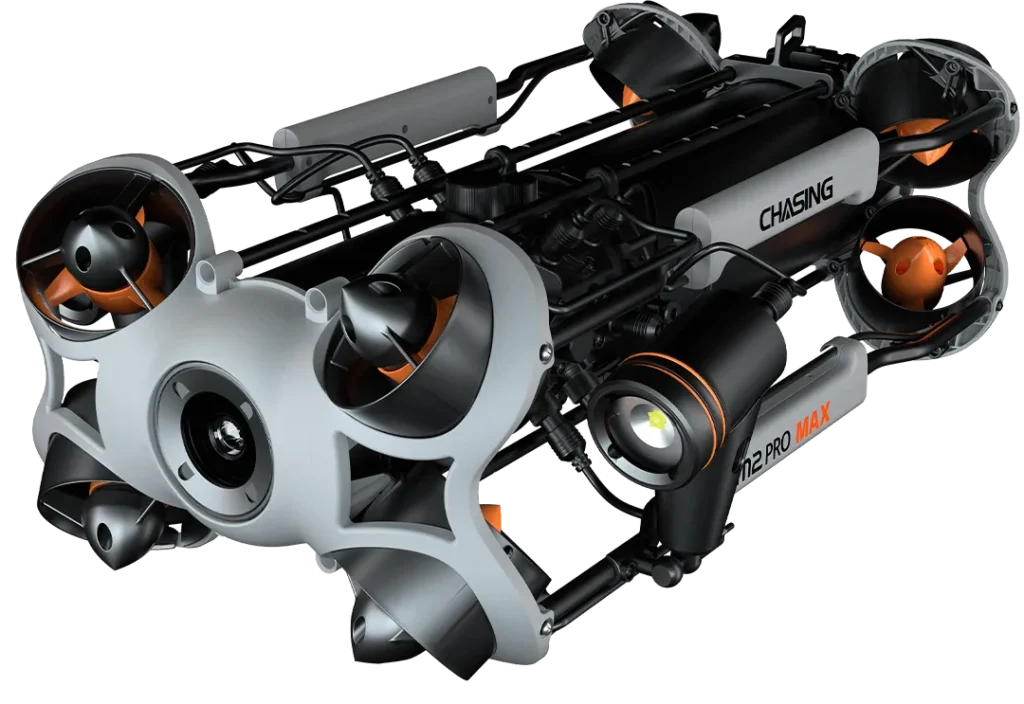
We operate specialized ROVs designed for confined tank environments, each equipped with advanced inspection tools.
Key features include:
- HD cameras with powerful LED lighting for dark tank interiors
- Compact design for navigation in confined spaces
- Sonar systems for sediment measurement and low-visibility conditions
- Ultrasonic thickness gauges for corrosion assessment
- 360-degree camera rotation for complete coverage
- Laser scaling systems for accurate measurements
- Stabilization for precise positioning during inspection
By combining the right ROV technology with expert operators, we ensure tank inspections provide comprehensive coverage safely and efficiently.
Why Choose Us for ROV Tank Inspections?
✅ No draining required, tanks remain in service
✅ No confined space entry, eliminating safety risks
✅ Cost savings of 50-70% compared to traditional tank inspections
✅ Rapid deployment with minimal operational disruption
✅ Comprehensive HD documentation for regulatory compliance
Tank Types We Inspect
- Water Storage Tanks – Potable water reservoirs, elevated tanks, ground storage tanks
- Oil Storage Tanks – Crude oil tanks, refined product tanks, floating roof tanks
- Chemical Storage – Process tanks, chemical storage vessels, reactor tanks
- Marine Tanks – Ballast tanks, cargo tanks, fuel storage tanks
- Wastewater Tanks – Treatment tanks, clarifiers, digesters
- Industrial Vessels – Process vessels, mixing tanks, storage silos
Comprehensive ROV Tank Inspection Services
What We Inspect:
- Tank Floors: Corrosion pitting, coating degradation, sediment accumulation, floor plate condition, weld integrity
- Tank Walls: Shell corrosion, coating breakdown, structural deformation, leak detection, joint condition
- Internal Structures: Support columns, ladders, baffles, internal piping, nozzles, manholes
- Roof Systems: Fixed roof condition, floating roof pontoons, seals, vents, access hatches
- Anodes & Protection: Sacrificial anode condition, cathodic protection system effectiveness
- Coatings: Coating adhesion, disbondment, deterioration, protection level assessment
- Sediment: Sludge depth, distribution, impact on capacity, removal requirements
Inspection Process
- Pre-Inspection Planning: Review tank specifications, operating history, previous inspection reports, and safety requirements
- ROV Deployment: Safe ROV entry through existing access points without draining or system shutdown
- Systematic Survey: Complete internal survey following structured inspection pattern ensuring full coverage
- Data Collection: HD video recording, still photography, measurements, sediment depth mapping, corrosion assessment
- Analysis & Reporting: Detailed analysis of findings with severity classification, maintenance recommendations, and compliance documentation
ROV Tank Inspection Benefits
No Downtime
Tanks remain in service during inspection. No draining, cleaning, refilling, or service interruption. Water supply, fuel storage, and industrial processes continue uninterrupted.
Safety Enhancement
Eliminates confined space entry hazards including toxic atmospheres, oxygen deficiency, and physical hazards. No personnel exposure to tank interiors or hazardous materials.
Cost Reduction
Eliminates costs for draining, cleaning, waste disposal, confined space safety equipment, scaffolding, ventilation, and refilling. Typical savings of 50-70% compared to traditional methods.
Comprehensive Coverage
ROVs access areas difficult or impossible for human inspectors including under internal structures, tight corners, and deep sediment areas providing complete tank assessment.
Structural Inspection
Our ROV structural inspections deliver accurate evaluations of underwater foundations, piers, bridges, and offshore platforms. Equipped with HD cameras and sonar, our ROVs identify cracks, corrosion, and material degradation to ensure long-term stability and compliance with safety standards.
Frequently Asked Questions
It’s the use of remotely operated vehicles to inspect underwater or hard-to-reach structures safely and efficiently.
Depending on the ROV class, inspections can reach depths of hundreds of meters.
Pipelines, tanks, dams, hulls, offshore structures, subsea cables, and more.
Observation ROVs are used for general monitoring, while inspection ROVs are equipped with advanced sensors and arms for detailed assessments.
Yes,they reduce the need for divers, minimize downtime, and detect issues before they become expensive failures.